Beat the Crowds by Beating the Sun: Owning a Destination Before 9 A.M.
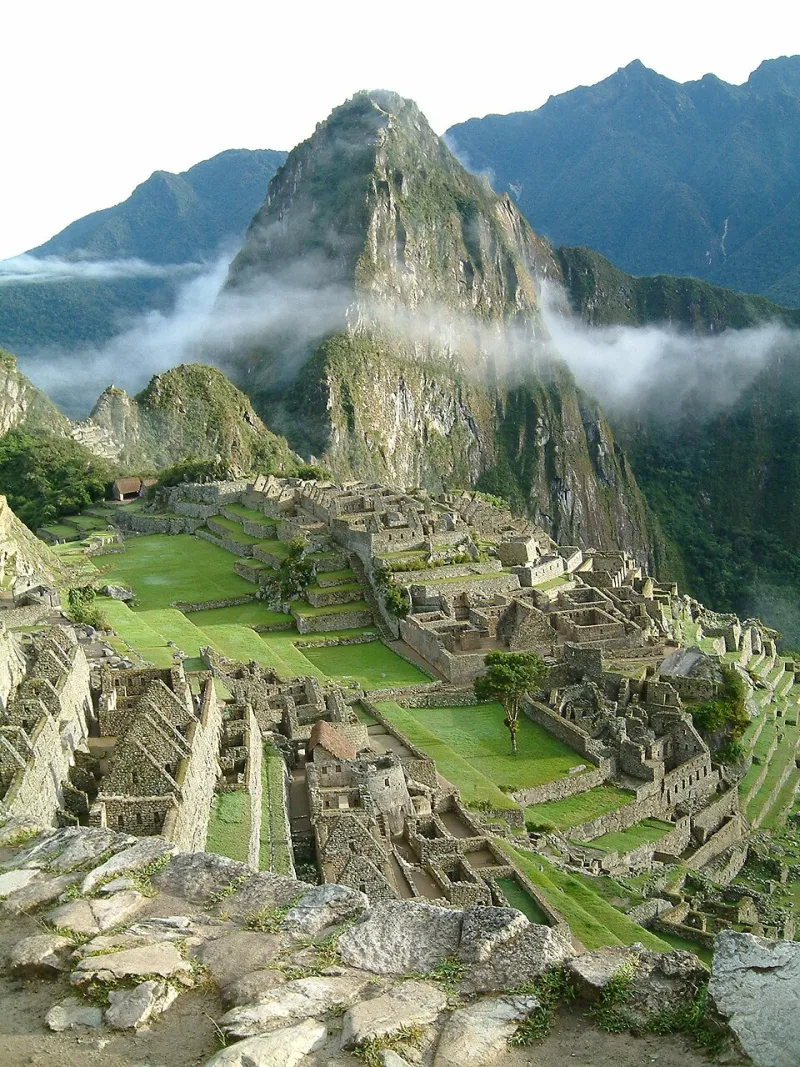
Photo: Allard Schmidt (The Netherlands), Public domain, via Wikimedia Commons
There's a version of every famous place that exists only before 9 a.m. It's the version with an empty trail, a fog bank lifting off the water, and not one stranger photobombing your shot. Most travelers never meet it, because most travelers are eating hotel breakfast while it happens.
The good news: early is the cheapest crowd-avoidance strategy there is. It costs zero dollars. It requires no special access, no reservations, no insider contacts. Just an alarm clock and a plan.
Which Attractions Actually Reward Early Entry
Not everything is better at dawn, so spend your early mornings where they count:
National parks. This is the big one. Zion's shuttle lines start forming by 8 a.m. in summer; arrive at the trailhead by 6:30 and you'll have Angels Landing's switchbacks largely to yourself on the way up. Same logic at Acadia (where you should be at Cadillac Mountain by 4:30 for sunrise, and yes, reservations are required), Arches, and Great Smoky Mountains' Cades Cove loop, where early entry also means actual wildlife instead of a bear-jam traffic backup.
City viewpoints and observation decks. Golden hour light plus thin crowds. Seattle's Kerry Park, San Francisco's Twin Peaks, and Chicago's lakefront at dawn are all photographer-empty in a way they never are by 10 a.m.
Popular hikes near cities. Any trail within an hour of a major metro — Runyon Canyon, Georgia's Sweetwater Creek, Colorado's Chautauqua — goes from serene to parking-lot by 9. Sunrise start, done by 9, nap earned.
Markets and food halls. Skip this one. Fish markets and bakeries reward the early bird, but most farmers markets and museums open mid-morning. Save your energy.
The Jet Lag Hack Hiding in Plain Sight
Here's the trick frequent travelers use: don't fight jet lag, deploy it. Flying west to east? Your body wants to wake at 4 a.m. anyway — use that. Day one in New York from the West Coast, you can be at the Brooklyn Bridge by 5:45 watching the sun come up over the East River with joggers and pigeons for company. By the time your body clock normalizes, you'll have built the habit.
Even without time zones, shift gradually: two days before the trip, start waking 30 minutes earlier each day and getting daylight exposure immediately (light is the lever that moves your body clock). On the road, that means you can watch the sunrise without feeling like a punishment.
Logistics, Because Dawn Has Rules
- Safety first. Early isn't the same as dark. For anything remote, start at first light, not before, and bring a headlamp anyway. Tell someone your route on longer trails.
- Check sunrise time, not opening time. You want to arrive 30–45 minutes before the crowds, which usually means 45–60 minutes after sunrise for parks, or right at sunrise for viewpoints.
- Eat the night before. Many trailheads and early attractions have zero food nearby. Pack breakfast the evening prior — coffee in a thermos counts as a personality trait out there.
- Dress for the delta. Pre-9 a.m. can run 15–20 degrees cooler than midday, especially in the desert and mountains. Layers, always.
- Know the wildlife schedule. Dawn is peak activity for bears, moose, and bison. That's a feature, but keep distance — the park service's rule of thumb (25 yards, 100 for predators) exists for a reason.
Why the Morning Version Is the Real Version
Beyond the photos — and yes, the photos are absurdly good, because low-angle light plus empty frames is the whole game — something else happens before 9 a.m. You get the place at a human volume. You hear the harbor instead of the tour groups. You exchange nods with the other early risers, an instant, unspoken club of people who chose this.
And practically? You front-load the day. The hike is done, the viewpoint is shot, the park is navigated — all before the crowds arrive and before the heat does. The rest of your day opens up: a long lunch, a lazy afternoon, no guilt.
Set the alarm. The best version of wherever you're going clocks in at sunrise, and it doesn't wait.