Same Place, Different You: The Transformative Power of Returning to America's Forgotten Corners
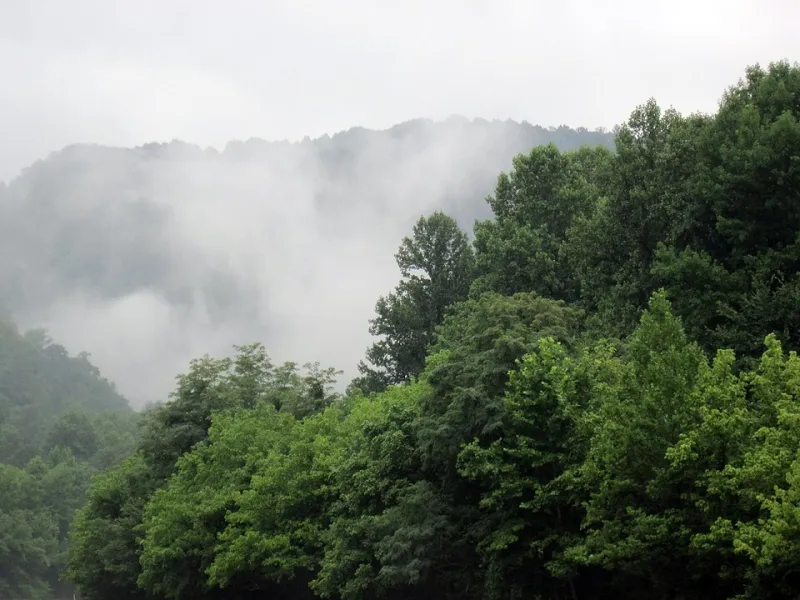
Photo: CGP Grey, CC BY 2.0, via Wikimedia Commons
There's a stretch of two-lane highway in eastern Tennessee where the fog sits low in the valley every October morning like it's been doing it since before anyone alive can remember. A handful of travelers know about the trailhead tucked off that road — a muddy, unmarked path that winds up into the Appalachian ridgeline and eventually opens onto a bald with a view that'll stop your lungs cold. Most of them come back every single year. Not because the view changes. Because they do.
This is what we're calling the Pilgrimage Effect — and once you experience it, ordinary tourism starts to feel a little thin.
Why "Obscure" Is the Whole Point
Famous places have a way of flattening your experience. You arrive at the Grand Canyon, for instance, and the moment is already half-scripted. You know what you're supposed to feel. The photo op is obvious. The awe is real, sure, but it's also a little crowded — emotionally and literally.
Obscure spots don't work that way. When you find a place that isn't in any guidebook — a roadside pie shop in Beatrice, Nebraska, or a glassy swimming hole outside of Ellijay, Georgia — you're operating without a script. The experience is entirely yours. And when you return to that place? You're not just revisiting a location. You're revisiting a version of yourself.
That's the psychological core of the Pilgrimage Effect. Psychologists who study place attachment talk about how repeated, meaningful experiences in a specific location build what they call "place identity" — a sense that a spot is genuinely part of who you are. Pilgrimage destinations, from ancient sacred sites to modern-day fan conventions, work on this same principle. The repetition isn't redundancy. It's ritual.
The Diner You Keep Coming Back To
Let's get specific, because specificity is everything here.
Imagine a diner in a small Nebraska town — the kind of place with vinyl booths that have been patched twice and a rotating pie case that's been spinning since the Carter administration. You found it by accident on a cross-country drive, ordered the cherry pie because it was the last slice, and ended up staying two hours talking to the owner about the drought and her daughter's soccer team.
Now imagine going back the following October. And the one after that.
By year three, something has shifted. You're not a tourist anymore — not exactly. The owner remembers you. She saves a slice of cherry pie because she figured you'd be back around the same time. The regulars at the counter give you a nod. You know which booth has the wobbly leg. You have opinions about the coffee.
You belong, in a small but completely genuine way, to this place.
That sense of belonging is genuinely rare in American travel culture, which tends to reward novelty above almost everything else. We celebrate people who've been to all 63 national parks or all 50 states. We don't have as many words for the person who has been to the same creek in western North Carolina seventeen times and knows exactly where the light hits the water in late afternoon. But maybe we should.
How the Place Becomes a Mirror
Here's what longtime annual pilgrims consistently report: the place doesn't change much, but the conversation they have with it changes entirely.
The Appalachian trail bald looks the same in October whether you're 28 or 41. But at 28, you're catching your breath from the climb and thinking about the job you might quit. At 35, you're carrying a little more weight and thinking about the relationship that didn't work out. At 41, maybe you bring your kid for the first time, and the whole thing refracts through their eyes.
The place holds still. You move through it differently every time. That contrast — the constancy of the landscape against the motion of your own life — is where the transformation happens. It's a natural form of reflection that no journaling prompt or meditation app has quite replicated.
This is also why the obscurity matters so much. A place that's overrun with visitors exists in a kind of perpetual performance mode. Your quiet, forgotten spot exists just for itself — and, by extension, for you.
Building Your Own Pilgrimage
You don't need a spiritual calling or a particularly adventurous spirit to start doing this. You just need to pay attention to the moments when a place feels unexpectedly like yours.
Maybe it's a state park campsite in the Ozarks where you slept under more stars than you'd ever seen. Maybe it's a bookshop in a small Vermont town that smells exactly like your grandmother's house. Maybe it's a taco truck in a parking lot in El Paso that makes the best thing you've ever eaten and doesn't have a Yelp page.
When you feel that pull — that specific, quiet recognition — write it down. Mark it on a map. And then, deliberately, go back.
A few things that help make the annual return feel like a real ritual:
- Go at the same time of year. Seasonal consistency deepens the experience. You start to notice the rhythms of a place — what blooms, what quiets down, what smells different in the cold.
- Keep a simple record. A few notes, a photo, a receipt tucked in a journal. You're building an archive of yourself over time.
- Resist the urge to bring everyone. Some pilgrimages are better as solo trips or with one trusted person. The crowd changes the frequency.
- Let the place surprise you. The diner might close one year. The trail might wash out. These disruptions are part of the story, not failures of the ritual.
What It Teaches You About America
There's a version of this country that lives entirely outside the algorithm — no viral moments, no influencer visits, no trending hashtags. It's the America of county fairs and hand-lettered signs and locals who genuinely cannot figure out why you drove four hours to eat at their restaurant.
Returning to the same obscure place every year is one of the most reliable ways to access that version. You start to understand a region not as a backdrop for adventure, but as a living thing with its own pace and personality. You notice when the old hardware store gets replaced by a brewery. You feel the difference in a town that's growing versus one that's quietly shrinking.
In other words, you stop being a tourist and start being something harder to name — a witness, maybe. A regular. A person with a place.
That's not a small thing. In a culture that's constantly pushing you toward the next destination, the next experience, the next novelty, choosing to go back — deliberately, annually, without apology — is almost a radical act.
And the pie is usually worth it, too.