The Quiet Season: Why the Best Version of Your Favorite Destination Isn't the One Everyone Sees
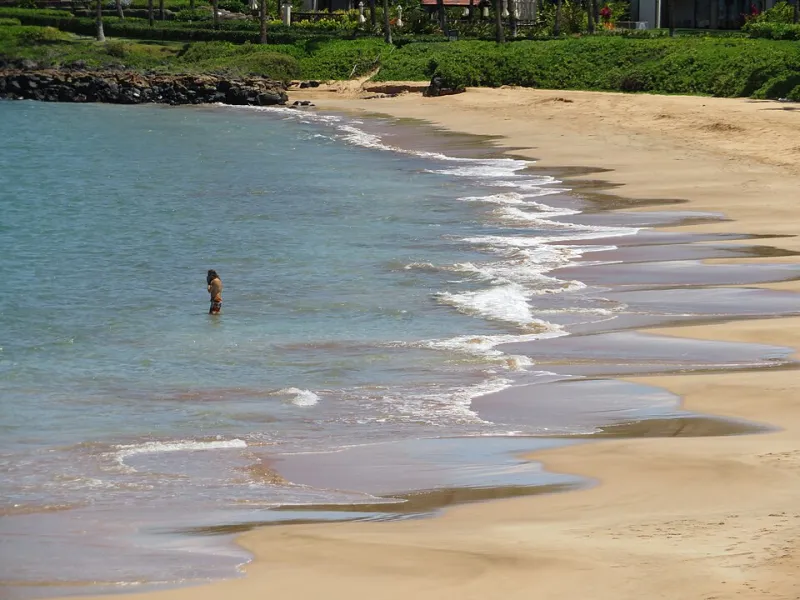
Photo: Forest and Kim Starr, CC BY 2.0, via Wikimedia Commons
Let me make a case for the gray days, the empty parking lots, and the hotel rooms that cost half of what they did two months ago.
Off-season travel gets a bad reputation, mostly because people assume "off-season" means "worse." Fewer amenities, shorter hours, maybe some rain. And sure, sometimes that's part of the deal. But here's what the peak-season crowd almost never gets: the real place.
When a destination is designed to absorb thousands of visitors at once, it performs for them. The menus get simplified. The prices go up. The locals retreat. The whole thing becomes a kind of theater — impressive, maybe, but not exactly authentic. Come back in November or February or early April, and suddenly the curtain drops.
What Actually Changes When the Crowds Leave
The most obvious difference is space. Physical, literal space. You can stand in front of something beautiful without someone's selfie stick in your peripheral vision. You can linger. You can think.
But it goes deeper than that. When a business isn't overwhelmed with volume, the people working there have time to actually talk to you. The restaurant that was turning tables every 45 minutes in July will let you sit for two hours in January. The shop owner who was too slammed to make eye contact in August will tell you the whole history of the building you're standing in come October.
There's also a financial argument that's hard to ignore. Off-season rates for flights and accommodations can be dramatically lower — sometimes 30 to 50 percent cheaper for the same hotels and routes. For a lot of travelers, that difference is what makes a trip possible at all.
Destinations That Shine When the Peak Season Tourists Are Gone
Savannah, Georgia — January and February
Savannah in summer is hot, humid, and crowded with people who came for the Spanish moss and the ghost tours. And it's genuinely beautiful — don't get us wrong. But Savannah in January is something different entirely. The air is cool enough to actually walk the squares comfortably. The bars and restaurants are quieter. The city's famously eerie atmosphere, which gets a little diluted when every other person is on a haunted pub crawl, comes back full force.
January also puts you right up against Savannah's local rhythms — the college town energy of SCAD students, the neighborhood life that doesn't pause for tourist season, the kind of slow Sunday morning that made this city famous in the first place.
Cape Cod, Massachusetts — October and Early November
If you've only ever seen Cape Cod in July, you've seen it at its most crowded and arguably its least interesting. The shoulder season here — particularly October — is one of the most underrated travel windows on the East Coast.
The light in fall on the Cape is genuinely extraordinary. The water is still warm enough to walk near without freezing. The seafood shacks that survived the summer rush are still open, but they're not slammed. And the towns — Wellfleet, Truro, Provincetown — feel like themselves again rather than like tourist infrastructure.
Provincetown in October is especially worth noting. The summer crowds have thinned significantly, but the restaurants and galleries are still operating. The dunes are stunning in fall color. And the whole place has this end-of-season energy that feels both melancholy and alive in the best possible way.
New Orleans, Louisiana — Late August and September
Yes, it's hot. Yes, it's humid. But New Orleans in late summer is also genuinely, deeply local in a way that Mardi Gras season simply isn't. The city's cultural institutions — its music, its food, its neighborhood life — don't take a summer vacation. They just stop performing for an audience.
August and September hotel rates in New Orleans can be shockingly low, and the restaurants that are open are the ones locals actually go to. You're not competing with bachelorette parties for a table at Commander's Palace. You're just having dinner.
The caveat here is real: hurricane season is real, and travel insurance is non-negotiable if you're visiting in late summer. But for travelers who can be flexible and are comfortable with that variable, this window offers a version of New Orleans that most visitors never encounter.
Sedona, Arizona — December and January
Sedona is stunning year-round, but it's also one of the most visited small towns in the American Southwest, and in peak season it shows. The parking situation at most trailheads is genuinely difficult. The vortex sites are crowded. The town itself can feel like it's straining under the weight of its own popularity.
Winter changes that almost completely. The red rocks against a gray winter sky or dusted with a rare snow are arguably more dramatic than any summer sunrise shot. The hiking is more comfortable — cooler temperatures make longer trails actually enjoyable. And the town slows down enough that you can actually have a conversation with the people who live and work there.
January is probably the sweet spot: past the holiday rush, before the spring break crowds, and often featuring some of the most dramatic cloud formations and light in the region.
The Outer Banks, North Carolina — March and Early April
The Outer Banks in summer is a beloved American institution — and a traffic nightmare. The shoulder season in early spring offers the barrier islands at their most elemental. The beaches are empty in a way that feels almost cinematic. The wild horses at Corolla are easier to spot without the summer crowds. The small towns feel like actual communities rather than vacation infrastructure.
March weather is variable — some days are genuinely warm, others require a jacket — but that variability is part of the charm. You're seeing a coastal landscape that's still partly in its natural state, unmediated by the summer season's version of itself.
A Few Practical Things Worth Knowing
Off-season travel does require a little more homework. Some attractions operate on reduced hours or close entirely, so checking ahead is worth the five minutes it takes. Not every restaurant will be open, which is actually often fine — it just means you're eating where the locals eat.
It's also worth being honest with yourself about weather tolerance. Some people genuinely don't enjoy cold or rain, and that's a real consideration. But if you're adaptable and willing to layer up, the trade-offs almost always tip in your favor.
The quieter version of a place is almost never the lesser version. It's just the one fewer people bother to discover.