Three Days, One City, Zero Tourist Traps: A Framework for Actually Getting to Know a Place

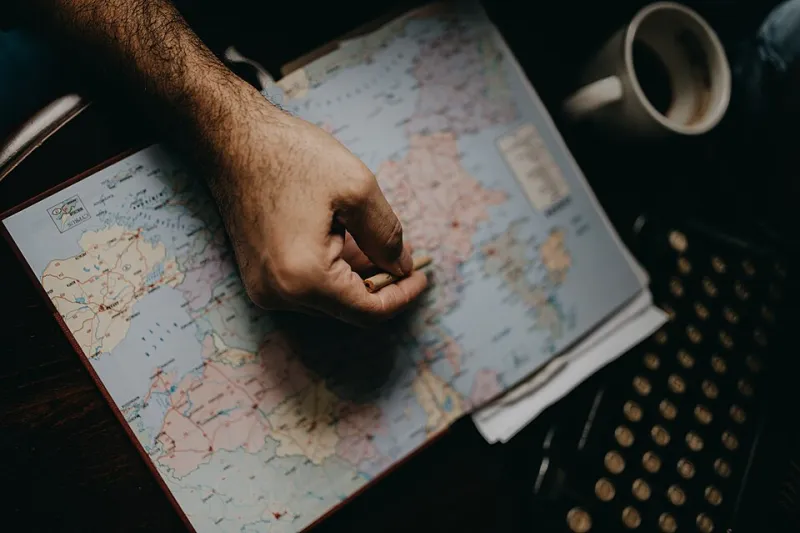
Photo: Ryan Vaarsi from Culver City, CA, US, CC BY 2.0, via Wikimedia Commons
Here's a travel truth nobody puts on a postcard: most tourists never really see the city they visit. They see the version of it that was built for them — the cleaned-up, signposted, gift-shop-adjacent version. And honestly? That's fine if that's what you're after. But if you've ever stood in Times Square or on Fisherman's Wharf and thought, this can't be all there is — you're already thinking like a local.
The good news is you don't need months or even weeks to crack a city open. You need 72 hours and a willingness to let go of your itinerary.
Why Three Days Is Actually the Sweet Spot
A single day is a highlight reel. A week risks turning into a comfort zone. But three days? That's long enough to stumble into something unexpected and short enough that you stay curious the whole time.
The first day, you're still shaking off the travel fatigue and orienting yourself. The second day is where the magic usually lives — you've got enough bearings to wander with confidence but you're not yet defaulting to habits. The third day is for going back. Back to that coffee shop you liked, that block you didn't finish exploring, that bartender who mentioned a neighborhood you'd never heard of.
That cycle — orient, explore, return — is the foundation of what we're calling the 72-hour framework.
Step One: Don't Stay Where Everyone Else Stays
Your accommodation choice does more than give you a bed. It plants you somewhere in the city and shapes everything that follows. Choosing a hotel in the most central, tourist-heavy district means your default walk is through tourist-heavy streets.
Instead, look for neighborhoods that are residential but not remote. In Chicago, that might mean Logan Square instead of River North. In Los Angeles, try Silver Lake or Highland Park rather than Hollywood. In New York, consider staying in Astoria or Crown Heights instead of Midtown Manhattan.
These areas have coffee shops where regulars have a usual order. They have corner stores and dry cleaners and little parks where people actually hang out. That's your starting point.
Step Two: Eat Where There's No Menu Out Front
This one sounds obvious but it's genuinely underused advice. Tourist-facing restaurants almost always have a menu displayed outside — sometimes laminated, often with photos. It's not a bad sign necessarily, but it is a signal that the establishment's primary concern is converting foot traffic.
Local spots trust that you'll figure it out inside. They're busy enough without the sidewalk pitch.
In New Orleans, that means skipping the Bourbon Street gumbo and finding a neighborhood joint in Tremé or Mid-City. In Philadelphia, it means wandering into South Philly's Italian Market area instead of settling for a cheesesteak at the most Yelp-reviewed spot on the tourist trail. In Seattle, Pike Place Market is worth a visit — but the real food culture lives in neighborhoods like Columbia City or Beacon Hill.
Ask the person behind the counter where they eat on their day off. This question alone has led us to some of the best meals of our lives.
Step Three: Build Your Day Around One Neighborhood at a Time
One of the biggest mistakes travelers make is trying to cover too much ground. They spend half their time in transit and the other half rushing through places they'll barely remember.
Instead, pick one neighborhood per day and commit to it. Walk the perimeter. Duck into whatever looks interesting. Sit in a park. Go back to the same coffee shop twice. Let yourself be bored for a few minutes — that's usually when you notice things.
For a city like Washington, D.C., that might mean spending a full day in Shaw, one of the most historically rich and currently vibrant neighborhoods in the city, rather than bouncing between monuments. In Atlanta, a day in Inman Park or Cabbagetown rewards slow walkers. In Denver, the Highland neighborhood has more going on than most visitors ever discover.
Step Four: Talk to the People Who Work There
Not in a forced, "excuse me, what's the best local secret?" kind of way. Just actually talk to people. The person making your coffee, the bookstore clerk, the guy walking his dog. Ask what's changed in the neighborhood lately. Ask what they think is overrated. Ask what they'd do if they had the afternoon off.
People who live somewhere love to talk about it — especially when they sense you're genuinely curious rather than just checking a box.
This is where the most meaningful travel moments come from. Not from seeing the famous thing, but from a conversation that led you somewhere unexpected.
The Overlooked Neighborhoods Worth Your Time
If you're planning a long weekend and want somewhere to start applying this framework, here are a few under-the-radar neighborhoods in major cities that consistently reward intentional explorers:
- Pilsen, Chicago — A Mexican-American neighborhood with a world-class mural scene, excellent taquerias, and an art gallery culture that punches way above its weight.
- Bywater, New Orleans — Quieter than the French Quarter, more local than the Marigny, and home to some of the most interesting architecture in the city.
- Barrio Logan, San Diego — A Chicano cultural hub with incredible street art, craft breweries, and a waterfront that most visitors never find.
- East Nashville, Tennessee — The creative soul of a city that's changing fast, with independent shops and restaurants that actually reflect who lives there.
- Woodlawn, Birmingham, Alabama — Historically significant and currently thriving, this neighborhood is one of the most genuinely surprising finds in the American South.
The Mindset Shift That Makes It All Work
The 72-hour framework isn't really about logistics. It's about deciding, before you arrive, that your goal isn't to see a city — it's to be in one for a few days. That shift changes everything from how you book your accommodation to what you order for breakfast.
Checkbox tourism has its place. Sometimes you really do want to see the thing and move on. But if you're the kind of traveler who comes home wanting more than photos, give a place three full days and a little intentional wandering. You might be surprised what you find when you stop looking for what you expected.