Stop Sleeping on Your Own Backyard: The Case for Exploring Close to Home Before Anywhere Else
Photo: Unknown, CC BY-SA 2.5, via Wikimedia Commons
Here's a question that might sting a little: when did you last actually explore your own region?
Not drive through it. Not pass a highway sign and think, "I should check that out someday." Actually show up, wander around, and let a place near home surprise you.
Most of us have a running list of dream destinations — Patagonia, the Amalfi Coast, a remote Japanese mountain town. That list has its place. But somewhere along the way, the bucket list became less about genuine curiosity and more about collecting stamps. And in chasing the far and the exotic, a lot of us have completely ignored the places quietly waiting within a tank of gas.
There's a better way to think about this. Call it the reverse bucket list.
What the Reverse Bucket List Actually Means
The traditional bucket list is outward-facing. It's aspirational, often expensive, and built around places that feel earned — destinations you work toward. There's nothing wrong with that energy. But the reverse bucket list flips the premise entirely.
Instead of asking "where in the world do I want to go before I die?" it asks: "What have I been ignoring that's already around me?"
This isn't about lowering your ambitions. It's about recognizing that proximity blindness — the tendency to overlook what's nearby precisely because it's nearby — is one of the sneakiest ways we rob ourselves of real travel joy. We assume that if something were worth visiting, we'd already know about it. Or we tell ourselves we'll get to it eventually, which often means never.
The reverse bucket list is a deliberate act of pushing back against that assumption.
Why Nearby Often Hits Harder
Travel researchers and tour operators have been noticing something interesting in recent years: people who explore their own regions often report deeper emotional connections to those experiences than to international trips that took months to plan.
Part of this is logistical. When you're not jet-lagged, not scrambling to convert currency, not spending half a day navigating an unfamiliar transit system, you have more bandwidth to actually be present. You arrive relaxed. You can go back next weekend if you want. The stakes feel lower, which paradoxically makes the whole thing more enjoyable.
But there's something else going on too. Nearby places carry personal context that exotic destinations simply can't. A ghost town two hours from where you grew up isn't just a ghost town — it's connected to your own history, your family's history, the broader story of the region you call home. That layer of meaning is hard to manufacture when you're somewhere that has no relationship to your life at all.
This doesn't mean international travel lacks depth. It absolutely has its own kind of richness. But the assumption that "further away equals more meaningful" is worth questioning.
Finding Your Own Reverse Bucket List
So where do you start? The good news is that building a reverse bucket list is genuinely fun — and a little humbling, once you realize how much you've been overlooking.
Start with a radius, not a destination. Draw a mental circle around your home — say, everything within a two-hour drive. Now honestly ask yourself: how much of that have you actually explored? Most people are shocked by the answer. State parks they've never visited. Small cities with surprisingly good food scenes. Historic sites that show up in American history books but get zero tourist traffic.
Mine the weird and specific. The best reverse bucket list entries aren't generic. They're oddly specific — the oldest operating carousel in your state, a roadside attraction that's been there since the 1950s, a lake that locals have sworn by for generations but that never makes anyone's travel roundup. These are the places that reward curiosity.
Ask people who've lived there longer than you. This one's underrated. Longtime locals almost always know about places that don't show up on any algorithm-driven travel list. Ask your parents, your neighbors, the older regulars at your favorite diner. The answers will surprise you.
Look at what you've recommended to visitors. Think about the last time someone came to visit you from out of town. Where did you take them? What did you tell them not to miss? Now ask yourself honestly: when did you last go to those places? We often curate excellent experiences for guests that we never bother to revisit ourselves.
The Permission Slip You Didn't Know You Needed
There's a social dimension to all of this worth naming. Talking about a weekend trip to a state park two hours away doesn't carry the same conversational currency as announcing a trip to Iceland. We live in a travel culture that quietly ranks experiences by how far and how foreign they are, and nearby exploration can feel almost embarrassing to admit.
But that's a trap worth escaping. The quality of a travel experience isn't measured in flight miles. It's measured in what you felt, what you noticed, what changed in you — even slightly — because you showed up somewhere with genuine attention.
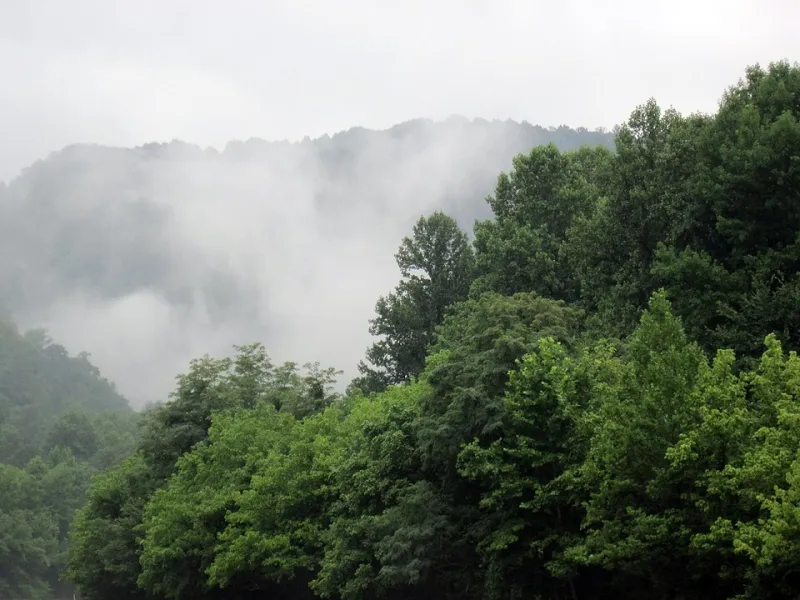
Some of the most vivid travel memories people carry are from places completely unremarkable by any external measure. A small-town diner in rural Ohio. A stretch of coastline in the Florida Panhandle that somehow felt like a secret. A hike in the Appalachians that nobody outside the region had ever heard of. These places matter. They just don't get the Instagram treatment.
Making It an Actual Practice
The reverse bucket list only works if you treat it like a real list — meaning you write it down and actually revisit it.
Set a loose goal: one nearby place per month, or one per season. Block time for it the same way you'd block time for a bigger trip. And when you go, bring the same curiosity you'd bring to somewhere new. Resist the urge to treat it as a quick errand. Slow down. Eat somewhere you've never tried. Take a different road home.
The places around you have been there the whole time. They're not going anywhere. But neither are you — and that's exactly the point.
Your reverse bucket list is waiting. It's probably closer than you think.