The Best Trip You Never Planned: Stories of Detours That Changed Everything
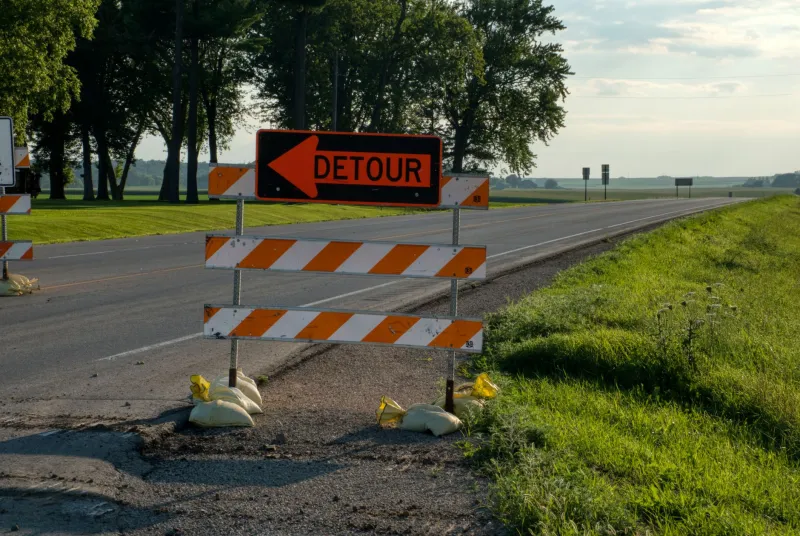
Kara had a plan. She always had a plan. Highlighted maps, color-coded spreadsheets, restaurant reservations made six weeks out. Her road trip from Nashville to New Orleans was supposed to be efficient — two days, one overnight in Birmingham, zero surprises.
Then she missed the exit for I-65.
Rather than backtrack, she kept going, ended up on a two-lane highway cutting through rural Alabama, and stumbled into a small town hosting its annual catfish festival. She stayed four hours. She ate three plates of food. She talked to a retired schoolteacher who'd lived in that town for 82 years and had opinions about everything. She still talks about it as one of the best afternoons of her life.
Kara's story isn't unusual. Ask almost any experienced traveler about their most vivid memories, and you'll notice a pattern: the unplanned stuff almost always wins.
Why Mistakes Stick Better Than Milestones
There's actually a psychological reason for this. Our brains are wired to pay more attention to the unexpected. When something breaks from the pattern — a plan falls apart, a road dead-ends, a restaurant is inexplicably closed — our minds snap to full alert. We're suddenly present in a way that a smoothly executed itinerary rarely demands.
Psychologists call this the "novelty effect." When everything goes according to plan, the brain essentially files the experience away on autopilot. But when something surprises us, we process it more deeply. We notice details. We engage with the environment. We make decisions. And later, we remember it.
This is why you can forget an entire meticulously planned vacation but remember in perfect detail the weird afternoon you spent sheltering from a rainstorm in a tiny bookshop in some town you'd never heard of.
Real Detours, Real Stories
Marco and his college roommate were headed to Acadia National Park in Maine when their GPS rerouted them around construction and dropped them onto a coastal road they'd never planned to drive. They pulled over at what looked like a lobster shack — the kind with picnic tables and no menu posted anywhere — and ended up spending three hours eating, talking to the fishermen who ran the place, and watching boats come in with the afternoon catch. They never made it to the park that day. Neither of them cares.
Then there's Diane, who flew into Denver planning to spend a long weekend in Rocky Mountain National Park. The park entrance was backed up nearly two hours due to a reservation system snafu. On a whim, she turned south instead of waiting, drove toward Colorado Springs, and found herself hiking in Mueller State Park — a place she'd never heard of, almost completely empty, with views that genuinely made her stop walking and just stand there for a while. She's been back twice.
And James, who took a wrong turn in the French Quarter of New Orleans and found himself on a block he'd never seen on any "best of" list — a quiet stretch with a jazz musician playing for literally no one, a corner bar with a hand-painted sign, and a mural covering an entire building that stopped him cold. He spent the rest of the afternoon in that neighborhood instead of the ones his guidebook had flagged.
The Detour Paradox
Here's the thing nobody tells you about serendipity: you can't force it, but you can make room for it. The travelers who consistently stumble into magic aren't just lucky. They've unconsciously built flexibility into how they move through a place.
They leave gaps. They don't schedule every hour. They say yes to the weird roadside attraction. They follow the hand-painted sign. They turn down the road that looks interesting for no particular reason.
The paradox is that the best detours usually happen to people who aren't rigidly attached to avoiding them.
How to Actually Build Detour Time Into Your Trips
You don't have to throw your itinerary out the window. Structure is useful — it gets you to the place, keeps you from missing the things you genuinely came to see. But there's a difference between structure and over-programming.
Leave the last afternoon open. If you're in a city for three days, plan the first two and leave the final afternoon completely unscheduled. See where you end up. Follow whatever caught your eye on the days before.
Give yourself a "wander window" every day. Even an hour of aimless walking — no destination, no timeline — can surface things that never make it onto any list. The best stuff often isn't on any list.
Drive the secondary roads at least once. When you're doing a road trip, resist the interstate for at least one leg of the journey. The US highway system is full of old routes — old Route 66 segments, coastal highways, mountain two-laners — that exist specifically for the kind of driving that leads to interesting places.
Have a "if X is closed" plan. Not a rigid backup, just a loose permission slip. If the thing you planned to do falls through, you don't have to scramble for the next best scheduled option. You can just... drive. Walk. See what's there.
Treat the wrong turn as information. When you end up somewhere unexpected, don't immediately correct course. Take thirty seconds to actually look around. Is there anything worth seeing? Any reason to stay a little longer? Sometimes the answer is no. But sometimes it's a catfish festival.
The Places That Aren't on the Map Yet
One of the things we believe at MayPlaces is that the world is bigger than any curated list can capture. There are places worth finding that haven't been written up, tagged, or added to anyone's "top ten" roundup. They exist in the gaps between the destinations everyone already knows about.
Detours are how you find them.
Kara still uses spreadsheets. She still makes reservations. But now she builds in what she calls "buffer blocks" — stretches of time with no agenda, no expectations, and no route locked in. She says her trips got about three times better the moment she stopped trying to optimize every hour of them.
The best place you'll ever visit might be one wrong turn away. Leave yourself enough room to take it.