Ditch the Checklist: How to Build a Travel Life Around Places Nobody's Hyping Yet
There's a particular kind of exhaustion that hits when you're standing in front of something you've seen a thousand times on your phone — a waterfall, a canyon, a cobblestone square — and you feel absolutely nothing. You waited two hours to get here. You're elbowing strangers for a decent photo. And somewhere in the back of your mind, you're thinking: this is it?
That's not a you problem. That's a bucket list problem.
The traditional travel bucket list is basically a greatest hits album that everyone owns. Grand Canyon. Times Square. The Vegas Strip. Yellowstone in July. These places are famous for real reasons, and nobody's saying skip them forever. But when your entire travel identity is built around checking off the same landmarks as everyone else, you end up with a passport full of stamps and a memory bank that feels oddly generic.
The alternative — what you might call a reverse bucket list — starts with a completely different question. Not what are the most famous places I haven't been yet? but what kind of places actually make me feel alive?
What Is a Reverse Bucket List, Exactly?
Think of it less as a specific list and more as a philosophy. Instead of working backward from global fame, you work forward from your own interests. You ask yourself what you genuinely love — not what you feel like you should love — and then you go looking for places that deliver exactly that, even if nobody's written a major magazine feature about them yet.
Love roadside Americana and weird local history? There are small towns across the Midwest with museums dedicated to things so specific it'll make your head spin. Obsessed with regional food culture? The best bowl of chili you'll ever eat probably isn't in a city with a Michelin star scene. Into birding, or ceramics, or vintage neon signs? Every one of those interests has a geography, and most of it is wildly underexplored.
The reverse bucket list isn't about being contrarian. It's about being honest.
Start With What You Actually Care About
Before you can find the places, you have to get clear on the interest. Grab a notebook and jot down the moments from past trips that genuinely surprised you — not the ones you photographed because you felt like you had to, but the ones that made you want to linger. A spontaneous conversation with a shop owner. A hiking trail that felt like it was made for exactly two people. A tiny diner where the pie was inexplicably perfect.
Those moments are breadcrumbs. They're pointing you toward a travel style that's already yours — you just haven't built a whole trip around it yet.
Unconventional Research That Actually Works
Once you know what you're chasing, the research process looks pretty different from Googling "best places to visit in [state]."
Follow hyper-local social media accounts. Not influencers. Actual locals. Look for community Facebook groups, regional Instagram accounts run by tourism boards for counties (not cities), and subreddits for specific states or regions. People in these spaces share things they love without any incentive to make it go viral — which means the recommendations are almost always genuine.
Read regional newspapers and alt-weeklies. This one's underrated. A city's alt-weekly or a county's local paper will have event listings, food reviews, and travel pieces that never make it to national outlets. The Missoula Independent, the Santa Fe Reporter, the Seven Days out of Vermont — these publications know their corners of the country better than any algorithm.
Search with weird specificity. Instead of "things to do in Tennessee," try "best small towns for antique hunting in East Tennessee" or "unusual geological formations in the Ozarks." Niche search terms surface niche results — blogs, forum threads, and local guides that don't rank for broad keywords but are packed with exactly what you need.
Look at what locals are proud of. Check out the visitor centers, state tourism sites, and "best of" awards from local magazines. When a tiny community is proud of something — their taco truck, their folk art festival, their covered bridge — that pride is usually earned.
Think in Themes, Not Destinations
One of the most freeing shifts you can make is to plan around a theme rather than a place. Instead of "I'm going to Colorado," try "I want to spend a long weekend exploring high-altitude ghost towns." That theme will take you somewhere specific — and probably somewhere unexpected.
Theme-based travel also makes research way more fun. You're not looking for the objectively best destination; you're looking for the best destination for this particular thing you love. That's a much more interesting puzzle to solve.
Some themes that open up surprisingly rich travel territory in the US:
- Vanishing industries: old mining towns, mill villages, fishing communities in transition
- Regional music scenes: not Nashville or Austin, but the smaller cities where the next wave is actually happening
- Living history: places where a specific era of American life is still genuinely present, not just performed for tourists
- Food geography: following a single ingredient or dish to its most authentic source
Give Yourself Permission to Be Underwhelmed by the Famous Stuff
Here's the part nobody really says out loud: some of the most hyped destinations are genuinely not that exciting once you're there. And that's okay. You're allowed to feel that way. You're also allowed to prioritize a weekend in a town with a population of 4,000 over another trip to a city you've already been to three times because it's the "right" answer.
Travel is personal. The whole point of exploring is to discover something — and you can't really discover something that 40 million people have already documented from every angle.
The Places Worth Finding Are Still Out There
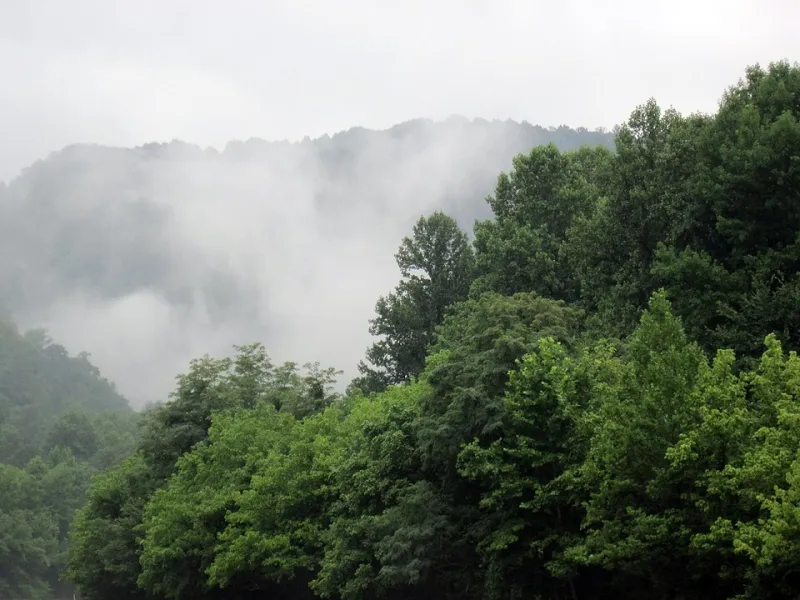
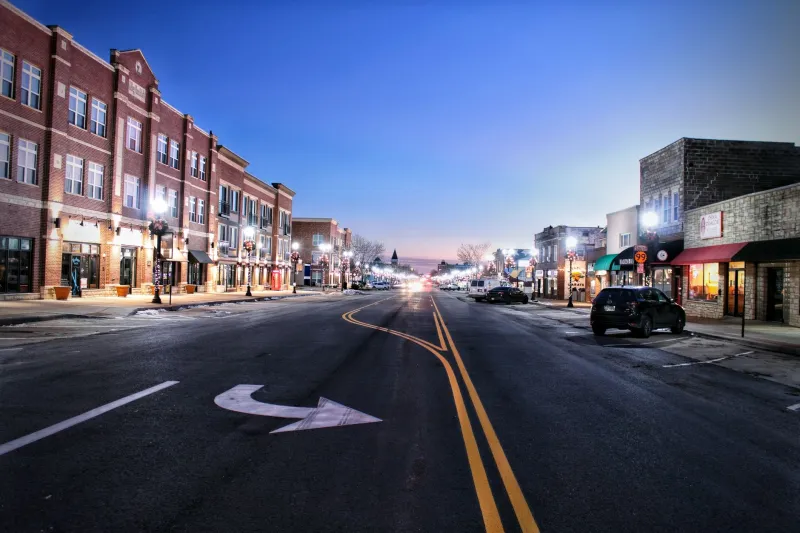
America alone has more underexplored corners than most people will visit in a lifetime. Small mountain towns in North Carolina that don't make the Asheville headlines. High desert communities in New Mexico that aren't Taos or Santa Fe. River towns in the upper Midwest that have reinvented themselves quietly and beautifully without anyone noticing.
These places exist. They're waiting. And the best part? When you find them through your own curiosity instead of a trending post, they feel like yours in a way that no famous landmark ever really can.
That's the whole point of the reverse bucket list. Not to be different for the sake of it — but to travel in a way that actually feels like you.