How to Actually Read a Place: The Traveler's Guide to Seeing What's Really There
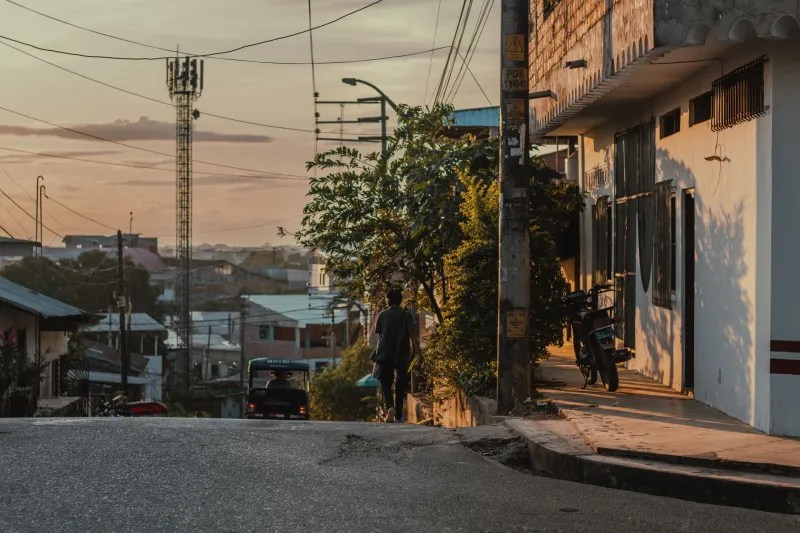
Every city, town, and crossroads community in America has two versions of itself. There's the one on the brochure — the highlights reel, the Instagram-approved landmarks, the walking tour script. And then there's the version that actually exists: the one with complicated history, weird micro-neighborhoods, generational grudges, unexpected pride, and the kind of beauty that doesn't photograph well but hits you square in the chest anyway.
The travelers who find that second version aren't necessarily the ones who've been everywhere. They're the ones who've learned to look differently. Call it destination literacy — the ability to decode a place beyond its surface presentation. And like most worthwhile skills, it's something you can actually practice.
Start With the Built Environment
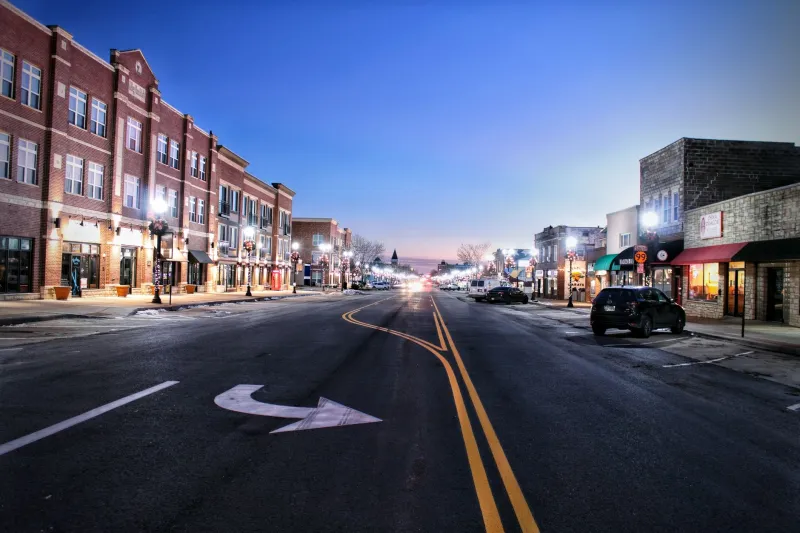
Before you talk to a single person, the architecture will tell you plenty. Buildings are honest in a way that tourism boards aren't. A downtown full of ornate early-20th-century storefronts, half of them vacant, tells a story about a boom that ended. A neighborhood where bungalows from the 1940s sit next to brand-new condos says something about who's arriving and who's being pushed out. A church on every corner versus a brewery on every corner — both signal something real about the community's center of gravity.
When you arrive somewhere new, spend your first hour just walking without a destination. Notice what's been maintained and what hasn't. Look at what's been torn down and what was built in its place. Read the historical markers, sure, but also read the graffiti. Both are telling you something about how the people here see themselves.
In places like Detroit or Pittsburgh, you can practically walk the timeline of American industrial history block by block. In smaller towns across the South or the Great Plains, a single main street might reveal three or four economic eras layered on top of each other. That kind of visual archaeology is free, and it's endlessly interesting once you start paying attention.
Get Off the Recommended Coffee Shop List
Food and drink culture is one of the most reliable windows into how a community actually operates — but only if you're willing to look past the places that have been written up. The café that shows up in every travel roundup is great, probably. But it's also been optimized for visitors. The regulars who used to anchor it may have moved on.
Instead, find the place that doesn't have a sign you can read from the street. The diner that opens at 5 a.m. because its customers work early shifts. The lunch counter that's been run by the same family since the 1970s. These are the spots where the town is actually talking to itself — and if you sit down, order something, and don't perform being a traveler, people will often talk to you too.
The key is to ask questions that invite real answers. "What do you think of the new development going in over on Fifth?" will get you further than "What do you recommend doing around here?" One question signals that you're curious about the place; the other signals that you want to be entertained by it. People can tell the difference.
Pay Attention to What's Celebrated — and What Isn't
Every community memorializes something. Statues, murals, named streets, local museums — these are deliberate choices about which version of the past gets honored. But equally revealing is what's been quietly set aside, disputed, or left unmarked.
Spend some time in whatever passes for a local history museum or archive. These places are almost never on the tourist circuit, but they're gold. You'll find the full, messy version of a town's story — the labor strikes, the floods, the scandals, the moments of genuine heroism that never made it into the official narrative. Small-town historical societies in particular are staffed by people who love this stuff and will talk your ear off if you show up curious and unhurried.
Murals are another underrated decoder tool. Unlike statues, which tend to reflect the values of the people who funded them, murals often come from the community itself — and they'll show you who the neighborhood considers its heroes, what it's mourning, and what it's hoping for.
Watch How People Move
There's a lot you can learn about a place just by observing how its residents navigate it. Do people walk, or is everything car-dependent? Do neighbors stop and talk on the sidewalk, or does everyone move with their heads down? Is the park full on a Tuesday afternoon, or does public space feel like an afterthought?
These patterns reflect real things: economic conditions, levels of community trust, the presence or absence of third places where people gather without a transaction attached. A city where the public library is packed on a weekday tells you something different than one where it's been defunded and shuttered.
If you're in a place long enough, try taking public transit even if you have a car. Buses and trains put you in direct contact with the cross-section of a community that tourism almost never reaches. You'll hear conversations, see neighborhoods that don't appear on any highlight reel, and get a much more honest sense of scale — of how big or small a city actually feels to the people who live in it.
Let Yourself Be Surprised by What You Don't Expect to Care About
The best moments of destination literacy don't come from a checklist. They come from the willingness to follow something that seems random — a faded sign, a sound coming from a building, a street name that makes no sense — and see where it leads.
Maybe it's an alley full of murals you didn't know existed. Maybe it's a community garden that turns into a conversation with someone who's lived in the neighborhood for forty years. Maybe it's a used bookstore where the owner has strong opinions about local history and absolutely wants to share them.
The places that stay with you aren't usually the famous ones. They're the ones you found by accident because you were paying attention — because you treated the destination as something worth reading carefully rather than just scanning for the highlights.
That's the whole game, really. Slow down. Look twice. Ask the second question. The real version of a place is always there. You just have to be curious enough to find it.