Skip the Landmark, Order the Chili: What One Local Dish Tells You About a Town
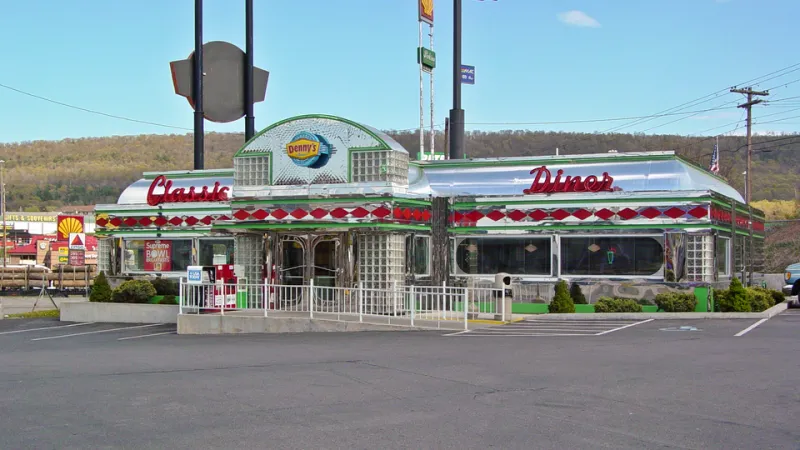
Photo: Ben Schumin, CC BY-SA 2.0, via Wikimedia Commons
Here's an opinion I'll defend anywhere: you will learn more about Cincinnati from a three-way than from any museum in the city.
A three-way, if you haven't had the pleasure, is spaghetti topped with a cinnamon-and-spice chili and a drift of shredded cheddar. It makes no sense on paper. It makes perfect sense once you know the story: it was invented in the 1920s by Macedonian and Greek immigrants who took American chili and ran it through the lens of their own cooking — warm spices, served over starch, like a ragù. Cincinnati ate it up. Today the city has more chili parlors per capita than anywhere in the country, and every bowl is a small, delicious record of immigration, adaptation, and a town that decided this weird thing was now theirs.
That's what food does that landmarks can't. A statue tells you the version of history a town voted to display. A dish tells you who actually lived there, what they brought with them, and what they were hungry for.
The Dish Is a Document
Once you start reading menus this way, you see it everywhere.
Maine's red hot dogs — the neon-crimson franks in their dyed casings — are a relic of the days when local butchers wanted their wieners to look distinct, and Mainers simply never let go. Texas kolaches came with Czech immigrants to the farms outside Houston and West, Texas, and morphed into something no one in Prague would recognize: sausage-stuffed, jalapeño-laced, thoroughly Texan. A Chicago Italian beef is the story of the city's packinghouses and the working-class Italian communities that turned trim scraps into an icon. A Louisiana boudin link is Acadian history you can buy at a gas station in Breaux Bridge.
None of these dishes are in the tourism brochure first. They're in the local newspaper's food section, the church cookbook, the gas station warmer. That's the tell.
How to Find the One Dish
You don't need a food critic's credentials. You need a system:
1. Skip the top-ten lists. Search instead for the town's local newspaper or community Facebook group and look for the phrase "you have to get the" — that's where the real answers live.
2. Ask the wrong question at the right time. Don't ask a local what's good. Ask: "What do people from here miss when they move away?" That question cuts past tourist infrastructure straight to the thing that actually carries identity.
3. Follow the breakfast crowd. The dish a town eats before work — biscuits and gravy in Tennessee, a breakfast burrito in New Mexico, scrapple in Pennsylvania Dutch country — is the one locals actually live on, not the one they serve visitors.
4. Notice what's missing. Sometimes the story is an absence. A coastal town with no raw bar but a legendary fried clam shack tells you about its working waterfront, not its postcard.
5. Order it the local way or don't bother. In Cincinnati, you order a three-way and a cheese coney. In Texas, a kolache is the sausage one; the fruit one is a klobasnek debate you don't want to start. Learn the vocabulary. It's one paragraph of homework for a much better meal.
What Ordering Says
There's a respect dimension to this that goes past taste. Walking into a chili parlor and ordering correctly is a small act of deference — you're saying I'm a visitor, and I'd like to do this your way. Compare that to showing up in a town and eating at the same chain restaurant you have at home, which is less travel and more relocation of your living room.
You don't have to love the dish. Honestly, some regional specialties are an acquired taste, and that's fine — the point isn't the flavor, it's the fluency. You now know something true about the place that isn't printed on a brochure. You can leave the hot dog if the dye puts you off. But you'll know why it's red, and knowing is the good part.
So on your next trip, do this: before you book the lighthouse tour or the historic home, spend ten minutes finding the one dish the town is quietly famous for. Then go eat it where the regulars eat it. The landmarks will still be there when you're done — and you'll understand them better with gravy on your shirt.